The land the makes up Mahu Whenua, that stretches between Wanaka and Queenstown over 55,000 hectares, has a long, long history. Before there was a luxury lodge, before it was an eco sanctuary, even before high country farming…
Since the arrival of the first Maori settlers, this land has been subservient to man. Beginning with Maori and continuing with the introduction of European-style farming, man has degraded the land and its ecosystems by deforestation, burning and overgrazing. Gold miners introduced pests and started a major erosion cycle that we’re only just starting to rectify today.

Over time, the immense pressures of farming production led to further environmental destruction to the point where many high-country stations are now in ecological and economic free fall.
So, let’s roll back the clock and look a little closer…
Maori used these parts for the transportation of greenstone between what’s now Queenstown and Wanaka. Unfortunately, though, the degradation of flora and fauna began with Maori settlements and hunting, which impacted the environment. Even before the arrival of European settlers, we’d already lost half of the forest with Moa, Haast’s Eagle and many smaller species becoming extinct.
Sheepruns reached Wanaka and Queenstown between in 1856 and 1861 for open grazing for wool production. The land became over stocked and the native pastures became depleted.
Farmers burned native forest and tussock land to clear the ground for sheep. The land rejuvenated with fresh, tender growth and the stock thrived but these grasses were eaten out quickly and a cycle of burning to promote new growth ensued. This resulted in rapid deterioration of tussock land, to a point where the integrity of the land was compromised.
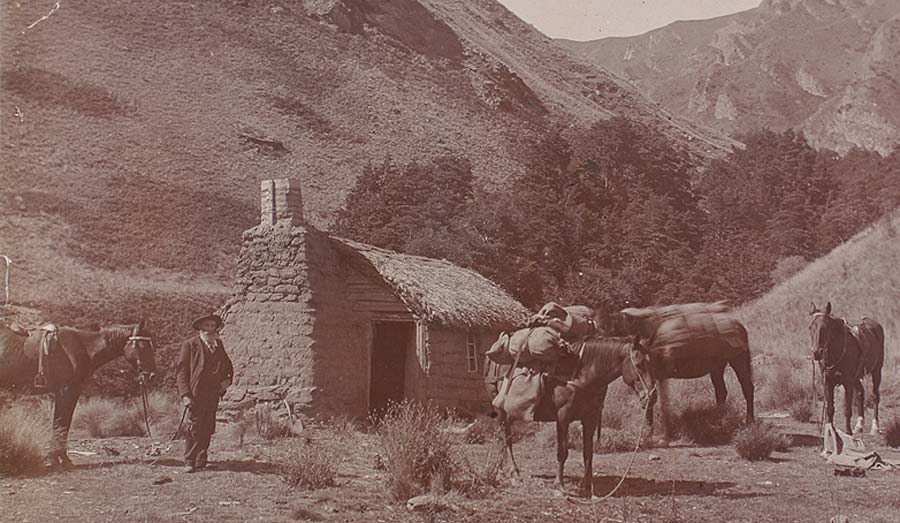
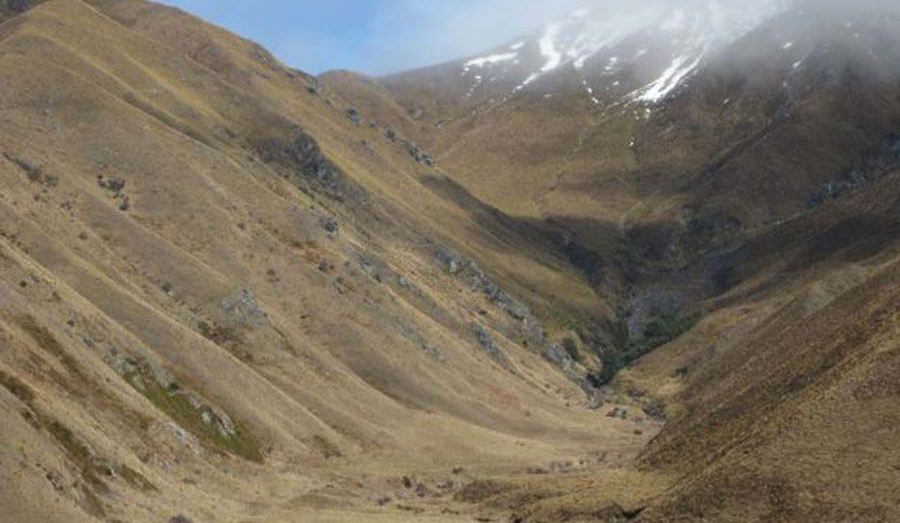
Overgrazing, burning and pests resulted in devastation of native flora and fauna and degradation of water and soil values. This saw a collapse in sheep numbers in the early 1880s – up to 90% in many cases!
Many properties had to revert to subsistence farming, which continued into the 1930s. The Great Depression then worsened the situation and the high country was considered wasteland by the 1940s.
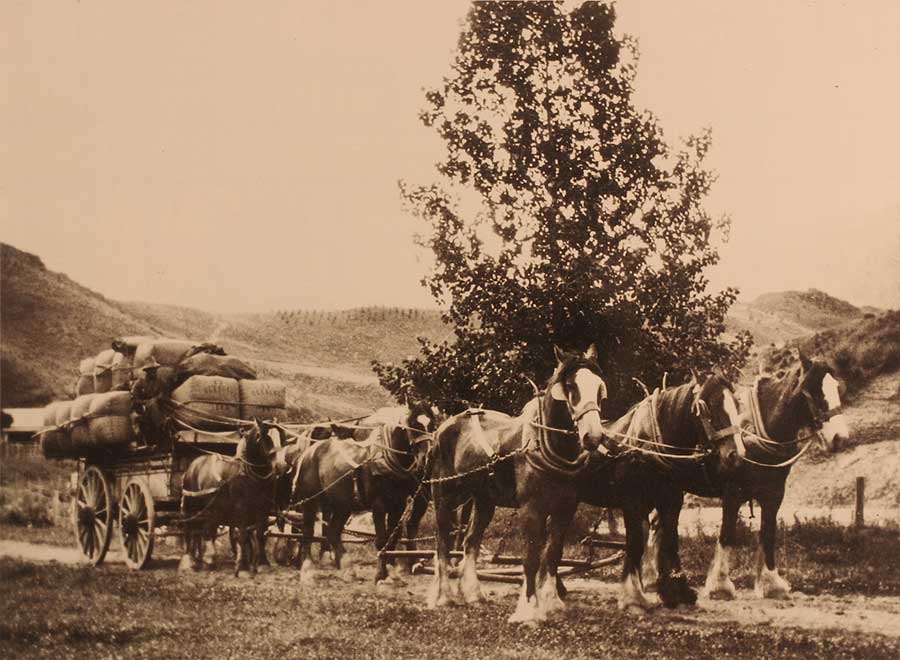
By 1948, the low environmental and economic standards of the high country were so bad that it was considered a national problem.
The New Zealand Government reacted and introduced the Pastoral Land Act which allowed longer tenure for land, replacing the previous short-term leases which gave farmers no reliable future and incentivised them to mine the land to generate income for the short time they leased the land. The Government also devalued rabbits and instigated eradication programmes, as well as funded a deer eradication plan.
The introduction of spreading fertiliser from the air then resulted in improved pasture and increased stock numbers. More progression was made when a wild venison market emerged and shooting from helicopters was proving successful. This not only resulted in economic benefits for New Zealand, but deer numbers were reducing to a manageable level.
Income for many high country farms was reduced in the 80s and 90s due to farm subsidies being removed and political reform. Reinvestment in the land stalled.
However, at the beginning of the 2000s, the increase in demand for merino wool lead to an increase in interest in purchasing high country stations.
The purchase of Mahu Whenua’s four iconic high-country stations (Motatapu, Mt Soho, Glencoe and Coronet Peak Stations) marked the beginning of a journey back in time.
The land is being reborn through the eco sanctuary and QE2 Trust – the biodiversity is being restored through truly sustainable farming, with economic and ecological elements working in harmony.
Thousands of newly-planted native trees and a pioneering seedling programme are breathing new life into an exhausted landscape and the eradication of pests and predators is bringing native species back from the brink.
Birdsong is returning to the hills and valleys and the seedlings are taking root. Evidence that we are on the right path is all around but there is a long way to go before we achieve our vision.
Our work will continue to secure a healthy biodiversity in these mountains and valleys; to restore rivers, wetlands, forests and tussock lands so they can support the remarkable flora and fauna that makes New Zealand such a special place; and to ensure that man can never again threaten this unique environment by applying binding covenants on any future land owners.
We are beginning to glimpse a land that many felt would soon be lost forever. The Mahu Whenua eco sanctuary offers a rare opportunity to make a real impact on an ailing world and leave a legacy for future generations.

Stay connected to Mahu Whenua and be inspired
by the latest news & stories
© 2026 Mahu Whenua
Website by Webstudio